Why I Joined Marker
The future of assessment is now
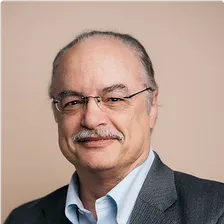
It never really occurred to me that I might one day voluntarily leave my tenured position as Professor of Psychology at St. John’s University for a new role in the corporate world. Like many academics, I assumed I would reach some ripe old age and be carried out of the classroom on a stretcher. I have genuinely enjoyed teaching and working alongside the next generation of practitioners. But the classroom experience was not my primary motivation for becoming a professor.
Early in my career, first as a clinical psychologist and then as a school psychologist, two problems struck me. The first was that the field had no valid approach to evaluating English Language Learners (ELLs). The second was that the assessments themselves had changed so little over several decades that practitioners were forced to make hugely consequential determinations about a child’s life based on information obtained with antiquated tests. Both were producing terrible outcomes for students, and I wanted a hand in solving them.
A tinkerer’s plan
As a lifelong tinkerer – just ask my wife about the half-assembled Mustang in my garage that has been “a few months” from being road worthy for most of our marriage – I felt certain the assessment industry would soon adopt the technology reshaping everything else around me, and I wanted to be a part of that paradigm shift.

So with that in mind, I took my first teaching position in 1995, when carrying an entire music album in my coat pocket with a Discman still felt a bit like science fiction. If the world could dream up something like that, then surely it could create new tests designed with advances in technology that could finally reveal an accurate understanding of a student’s unique learning signature from which a customized learning plan could be developed to help ensure they succeed in school.
My plan was simple. From a faculty position at a university with a strong school psychology program, I could immerse myself in the task of shaping those new instruments while having a front-row seat as the next generation of student practitioners learned how to use them before going off to practice independently. I dreamed of also traveling to districts, large and small, throughout the country, helping school psychologists adopt the latest methods and tools, tossing away their paper-and-pencil assessments and briefcases full of manipulatives, leading to better student outcomes and a far more fulfilling experience for all practitioners. I would spread the good news of assessment transformed and the promise of fairness in evaluation. What could go wrong?
Some of the dream came true
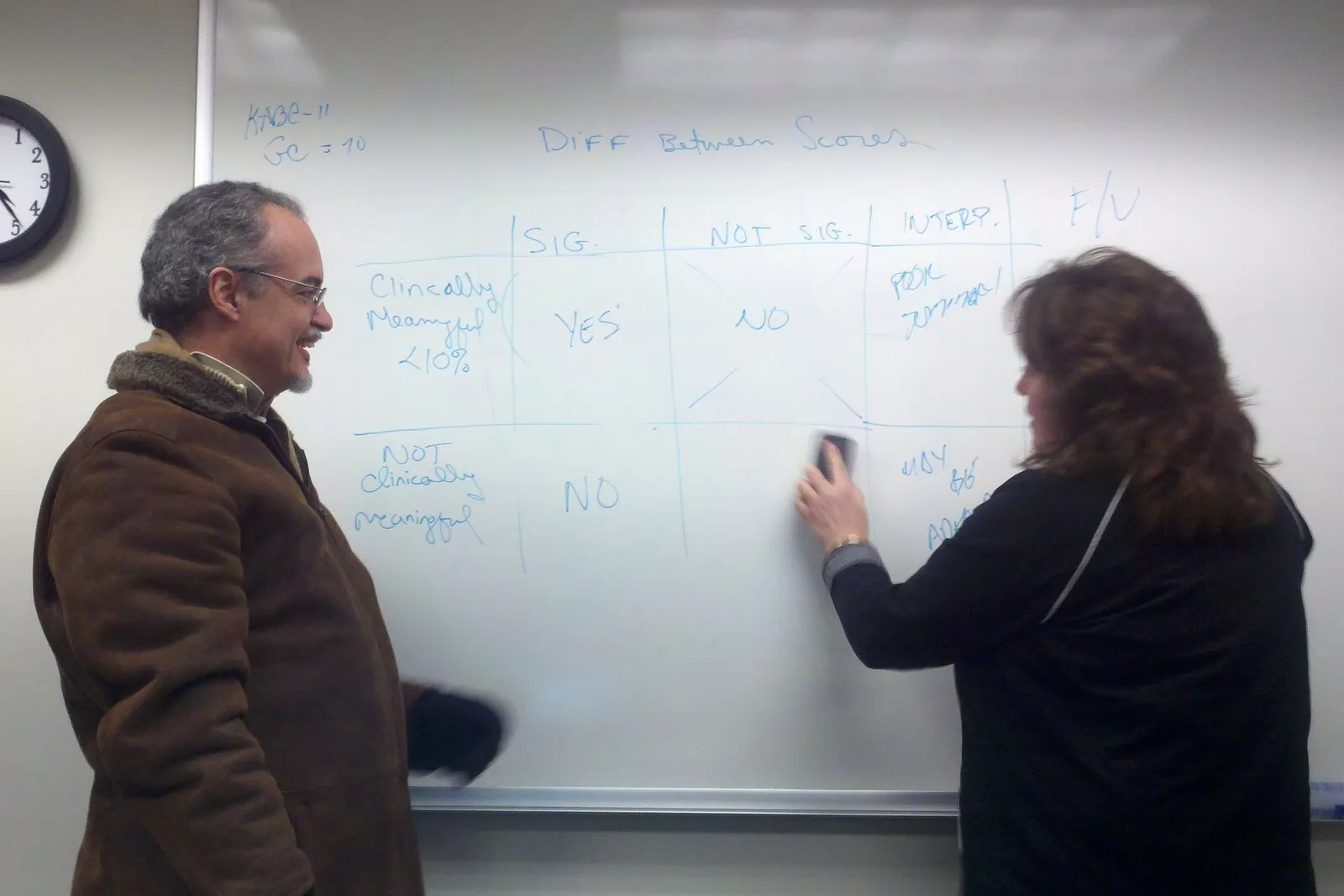
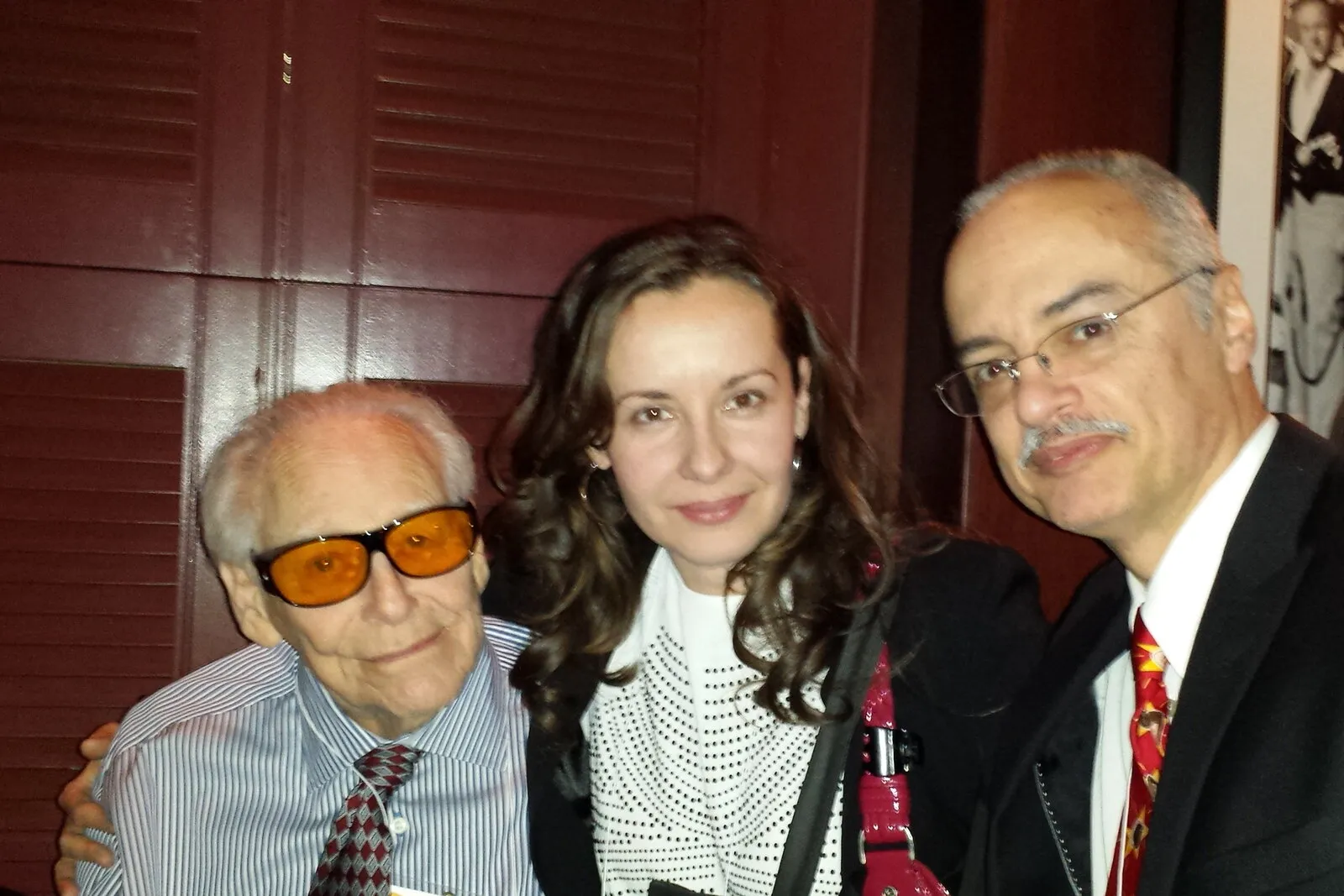
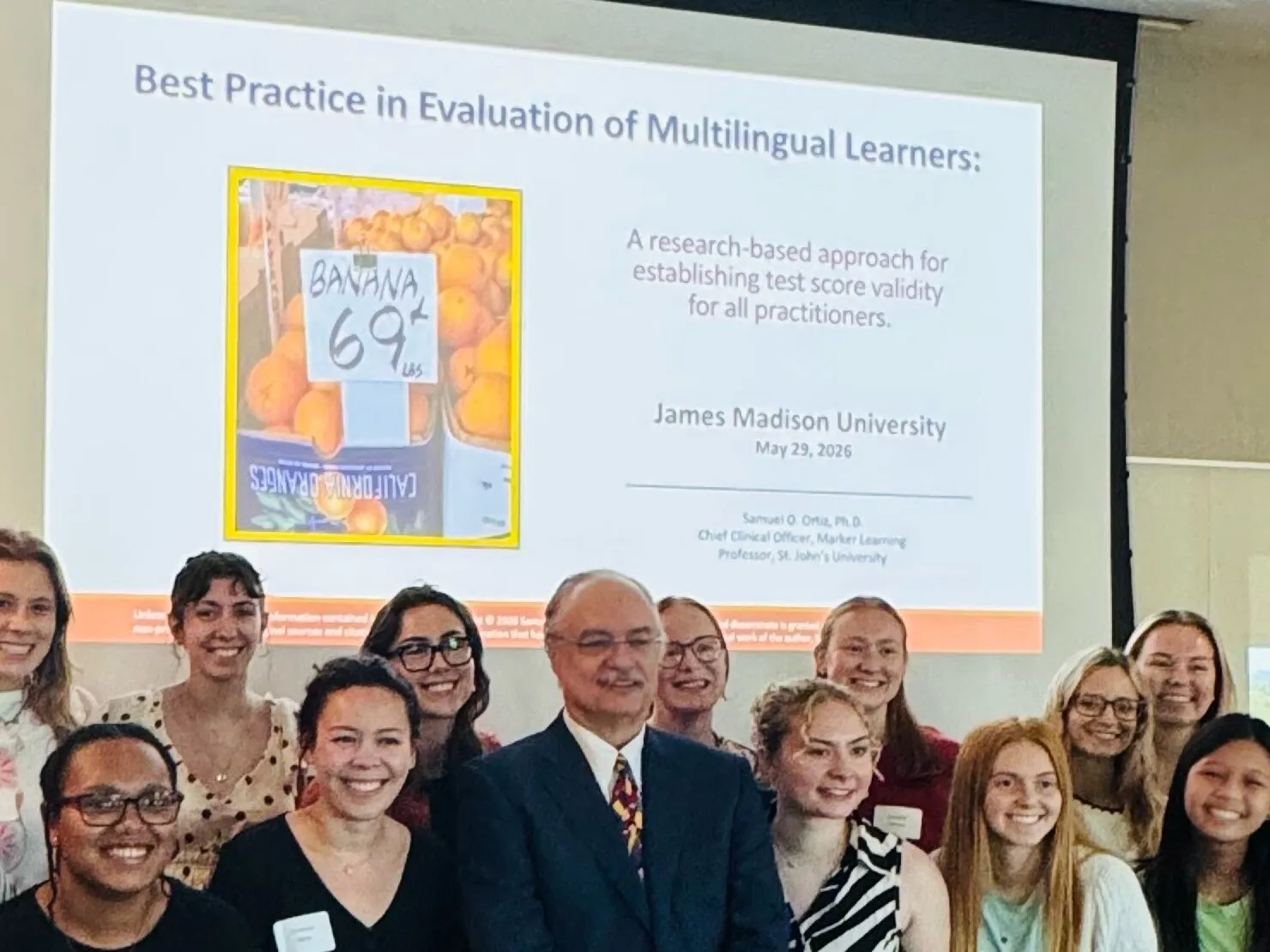
Fast forward 30 years and well, at least some of that dream came true. I was fortunate enough to have become a recognized expert on the assessment of linguistically and acculturatively diverse children and adults, and on broad assessment approaches more generally. I have trained in hundreds of school districts and served as a keynote speaker and workshop presenter at nearly every major education-related professional conference, usually on ELL assessment best practices or on more defensible and efficient ways to interpret scores through tools like X-BASS v3.0.
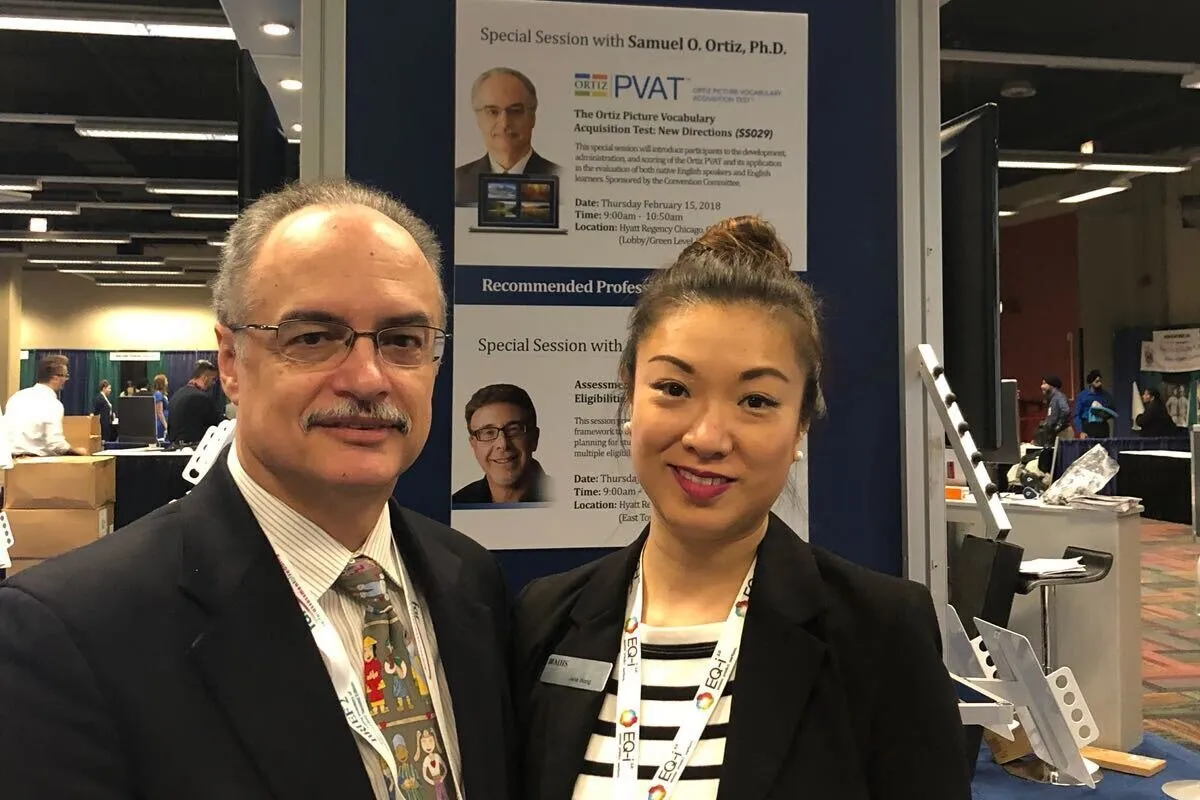
And in 2018, partnering with MHS, I was given the opportunity to develop the Ortiz Picture Vocabulary Acquisition Test, the first individually administered digital test and the first to use language-exposure norms. It was also the first non-derivative test for the general population from a major publisher whose author was of Hispanic descent.
The tests barely moved
To my dismay, however, the broader landscape of testing has still barely moved. As my Discman became an MP3 player, then an iPod, then integrated with my phone, which now synced with my car, most major tests had only gone from (Author) 2nd Edition to (Author) 3rd Edition, to (Author) 4th Edition, etc., always comprising new norms but only very modest updates in content, theory, or format.
Now, in a world of smart appliances and daily use of AI, many tests still rely on paper, pencil, stopwatches, and hard-copy protocols, albeit some finally offer legacy protocols in digital format.
Each passing year brought a sinking feeling as I trained students and practitioners on tests and methods I knew were archaic. I felt as if I were teaching people to read paper maps while, in the back of my mind, I kept picturing the Google Maps equivalent waiting to be built.
In my own courses, I taught students to hand-score assessments and to make decisions of enormous consequence in a child’s life on the basis of few data points and a considerable amount of subjectivity. Couldn’t we draw upon thousands of data points instead, gaining a kind of insight the old approach couldn’t reach? The shift would be similar to the arrival of MRI in hospitals in the 1990s: X-rays, standard since the 1920s, showed bone and density, while MRI revealed soft tissue that had previously been invisible for nearly a century.
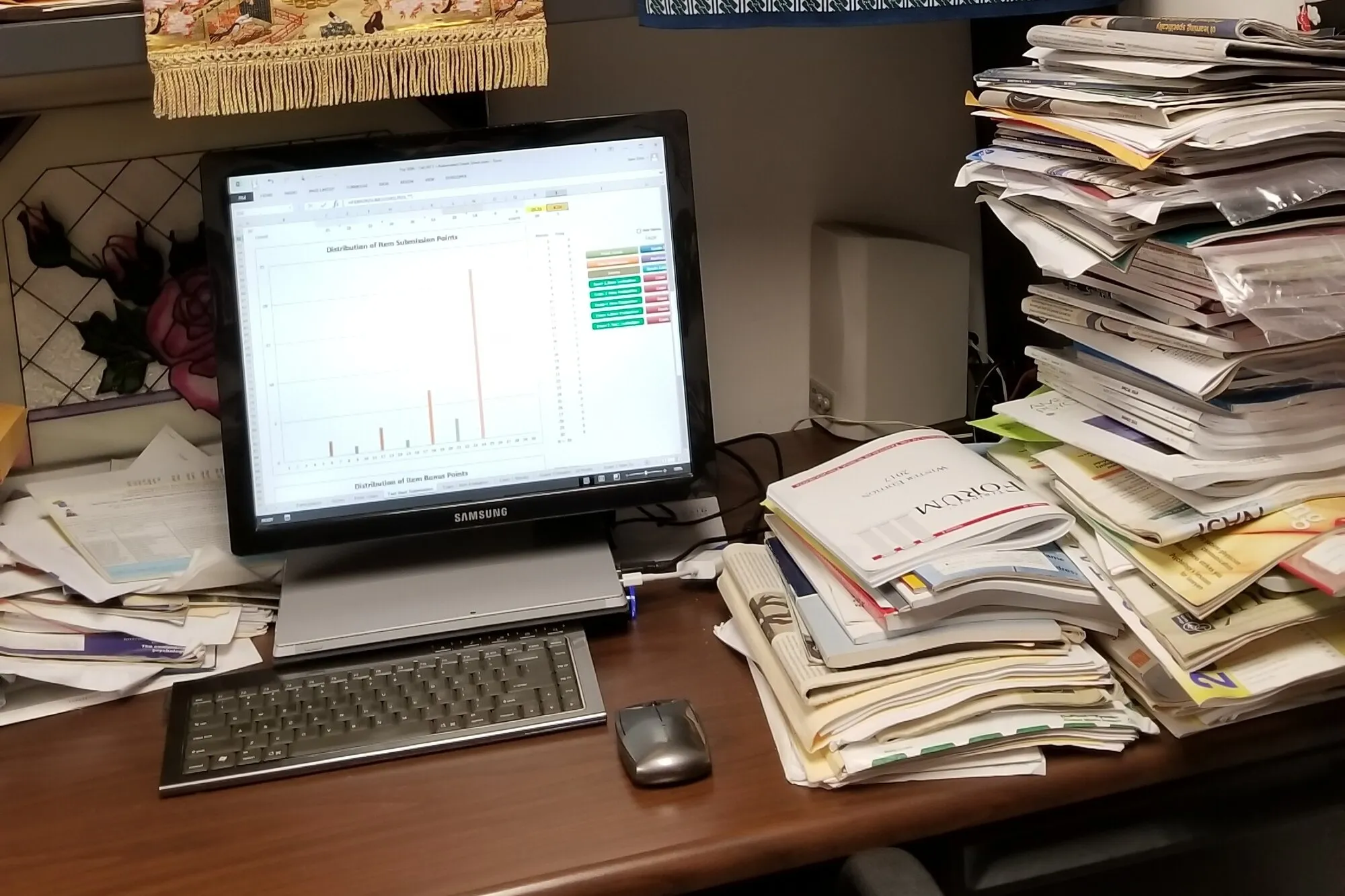
The tinkerer in me was dismayed by the lack of progress. The human in me was heartbroken as I felt we were letting down practitioners and students. Over my career I have consulted, formally and informally, on thousands of evaluation cases. Too often, well-meaning practitioners reached the wrong conclusion about a student simply because their tools could not tell them otherwise. Some of those conclusions led to real harm: children misclassified, needs missed, and years lost. Unfortunately, this is the natural outcome of asking evaluators to make supremely consequential determinations with legacy tools.
English learners paid the highest price
As an English learner myself, this lack of progress has been most agonizing in its impact on ELLs. ELLs continue to be compared against their monolingual, native-English peers, because publishers still avoid the task of building developmentally appropriate norms for English learners. As a result of this, ELL students’ gap in language proficiency often shows up as a potential learning disability.
My mother, up until her passing last year, still called me by my childhood nickname, “Samito,” which means “little Sam” (as I was named after my father) and I loved that about her. The current assessments penalize a child for growing up in a home like mine, where English was learned primarily at school, and too often a child’s education pays for it dearly. I spent many nights awake thinking about how wrong it is that, sixty years after I sat in a second grade classroom, the assessment landscape hasn’t meaningfully changed for ELL students despite my best efforts.
Over time, I actually stopped believing that anything would change. Maybe the large publishers just had no incentive strong enough to invest in technology. Maybe ELL students would never look like a large enough economic market to build for. Maybe I was a dreamer after all, and maybe that Mustang in the garage would never really see the light of day.
Then Marker called
And boy was I ever wrong. Three years ago, Marker Learning approached me about what I assumed would be a routine consulting engagement. It was not. From the outset, they told me they wanted to build a comprehensive assessment that uses present-day technology to evaluate students with learning disabilities.
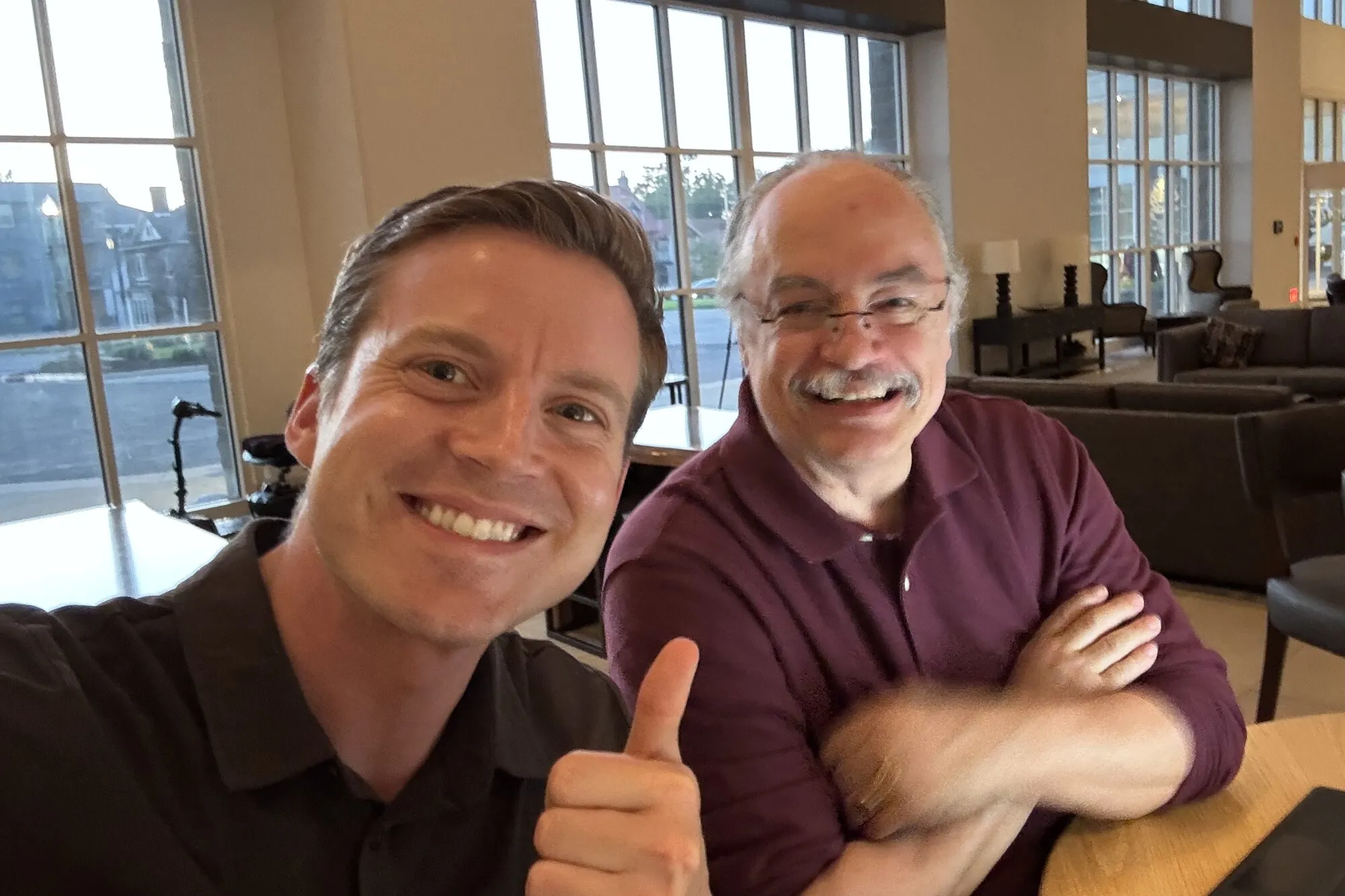
The more I began to imagine what it could be and the more I contributed to its design and blueprint, the more I found myself thinking about where and how far assessment could actually go. Suddenly, I began to realize that I didn’t have to give up on my former self, the one walking across campus with Pink Floyd’s “The Wall” playing on his Discman, dreaming of transforming the world of assessment, of being able to provide reimagined tools to practitioners and better insights to students and families.
Marker will formally announce this futuristic assessment and everything it entails soon enough. I can say with genuine excitement that we have built the world’s first smart assessment, drawing on tens of thousands of data points per evaluation to surface insights that were never before possible so that all learners, regardless of the language they first learned to speak, will have a greater understanding of what they need to succeed.
My new role at Marker
For these reasons, I am pleased to announce I am stepping down from my position at St. John’s University, and am incredibly proud to introduce myself in my new role as Chief Clinical Officer at Marker Learning. Testing has stood still for more than a century. It will not stand still much longer. We are building the very thing I have spent thirty years wanting to do, and I could not be more thrilled to be a part of it.
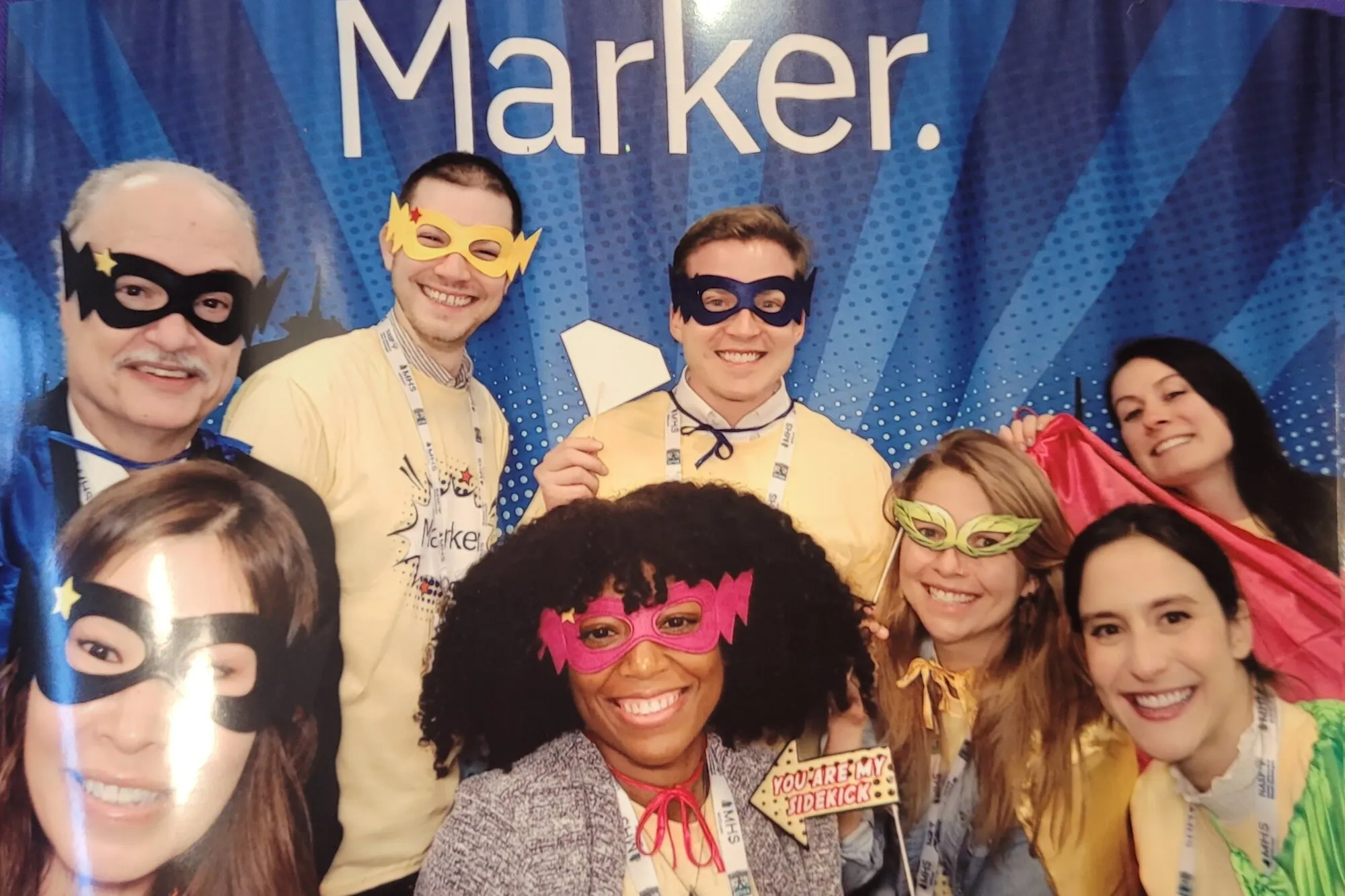
And as for the Mustang – it will be on the road this spring (I hope!).